
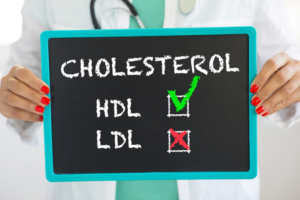
When most people think of cholesterol, they picture heart health, not dental health. But research actually suggests that HDL, commonly referred to as “good” cholesterol, can play a surprising role in how well root canals heal. While root canals are far less scary than their reputation suggests, like any dental treatment, ensuring a smooth recovery should be a priority—but how exactly does cholesterol help with this? Here’s what you need to know.
What Is HDL & Why Does It Matter?
HDL stands for high-density lipoprotein, and it’s responsible for removing excess cholesterol from the bloodstream, which ultimately supports your cardiovascular health. However, research shows that HDL does more than just manage cholesterol levels. It also possesses anti-inflammatory and immune system-boosting properties, meaning it can help the body control inflammation and fight off infections.
How Is HDL Connected to Root Canal Treatment?
A root canal is usually needed when the pulp inside a tooth becomes infected or inflamed due to deep decay or physical trauma. During this very common and routine treatment, the infected tissue is removed, and the canals of the tooth are carefully cleaned and disinfected before being filled and sealed to prevent future reinfection. In most cases, a dental crown is used to restore the tooth.
The disinfection of the tooth is actually one of the most important parts of this process, since bacteria can hide in literal microscopic places within a tooth. However, research from the National Institute of Dental and Craniofacial Research (NIDCR) uncovered that HDL is able to help reduce inflammation, meaning that the potential is there for it to assist with root canal recovery.
How to Support a Smooth Root Canal Recovery
In any case, cholesterol is just part of the picture; following any type of dental procedure, it’s crucial that you follow your dentist’s specific guidelines and instructions closely in order to support proper healing and prevent painful complications or setbacks. In the case of a root canal, you can expect to feel a little sore following the procedure, but you should be able to manage your discomfort with over-the-counter pain relievers and cold compresses. You’ll also need to mind your diet for a few days and be extra careful when brushing your teeth.
While research into HDL continues, one notion remains the same: a healthy body can support your smile, and vice versa—so whether you need a root canal or not, you should strive to have healthy cholesterol so that it boosts your smile and your cardiovascular health all at once!
About the Practice
With Dr. Stern, Dr. Nikkholgh, and Dr. Rafla leading the way, our team here at Worcester Endodontics has proudly served patients and families all across New England for several years. We offer a wide range of services, including tried-and-true root canal therapy with sedation options for anxious patients. If you have any questions about the blog or you’re ready to schedule an appointment, you can reach out online or call today for more information or assistance. Telephone: (508) 755-3636.